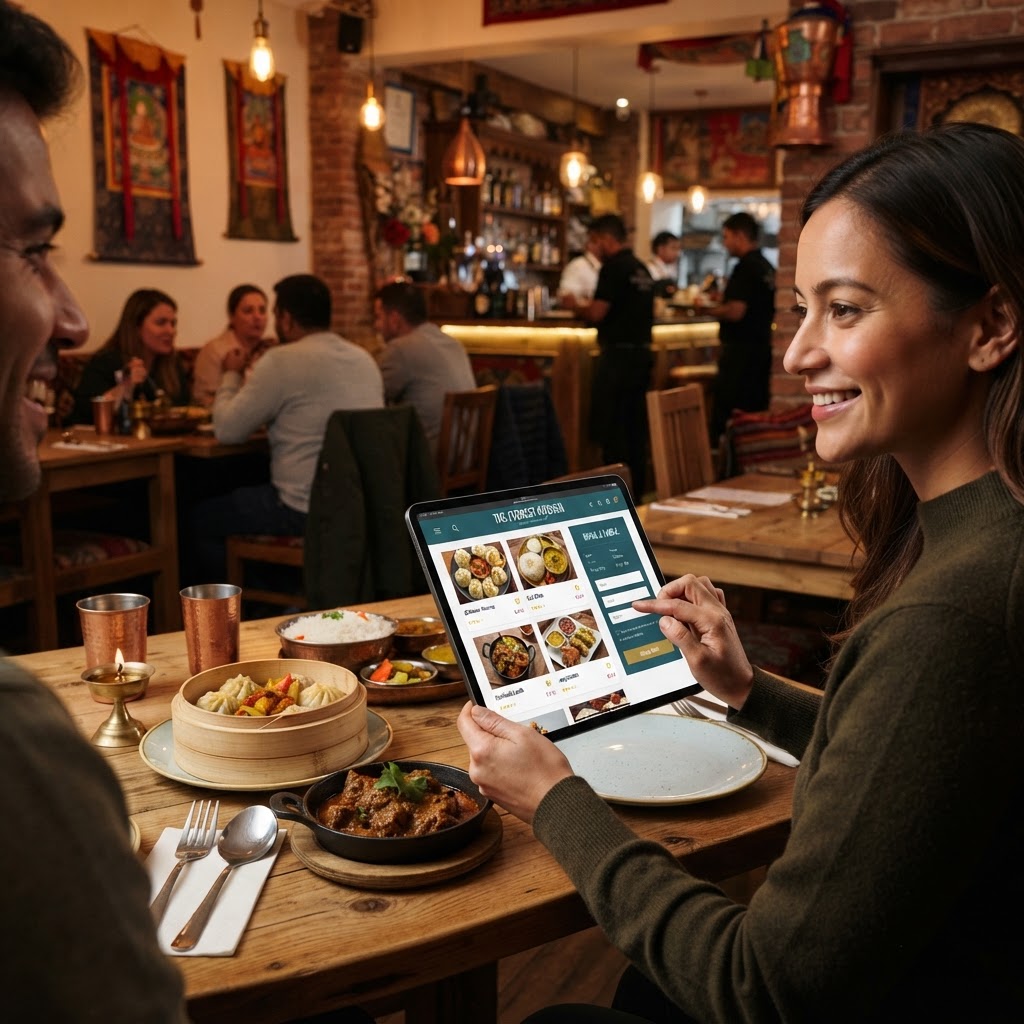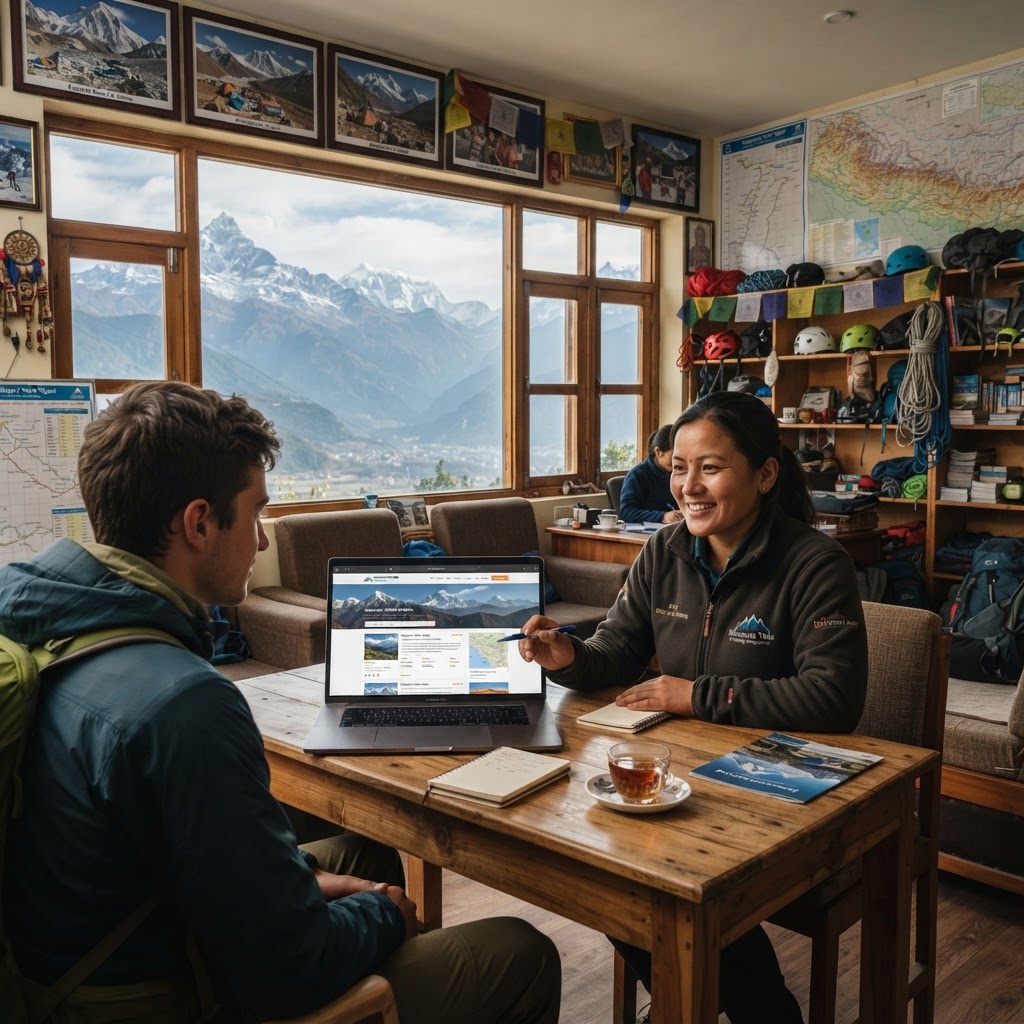
Hotel Website Development in Nepal: Complete Guide for Hotels, Resorts & Hospitality Businesses
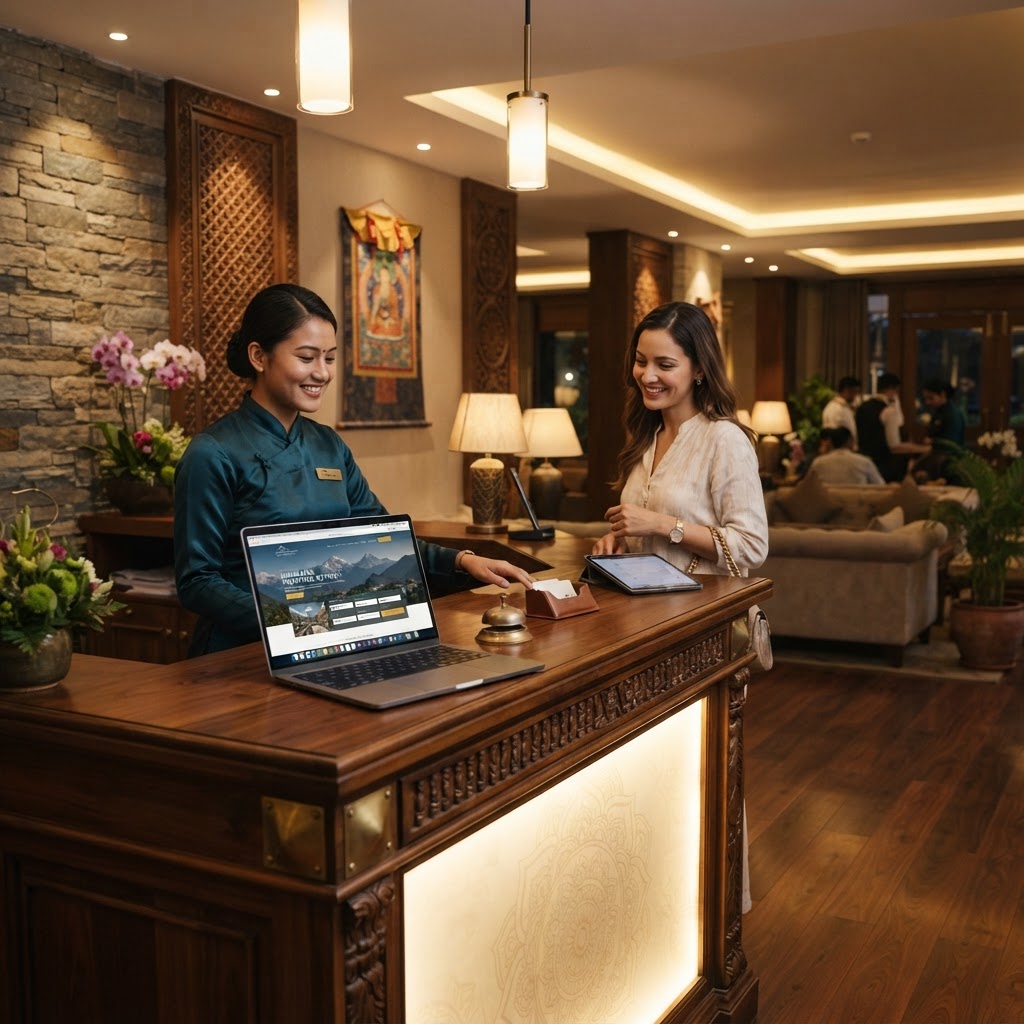
A professional hotel website with direct booking capability is essential for hotels and resorts in Nepal.
For hotels, resorts, and guesthouses across Nepal — from boutique properties in Thamel to luxury resorts in Pokhara — a professional website is the single most important tool for attracting direct bookings and reducing reliance on online travel agencies (OTAs). This guide covers everything you need to know about hotel website development in Nepal.
Whether you run a small family guesthouse or a five-star resort, your website is where potential guests go to learn about your property, view rooms, and ultimately make a reservation.
Why Hotels Need Their Own Website
Many hotel owners in Nepal rely entirely on platforms like Booking.com, Agoda, or Airbnb to bring in guests. While these platforms are valuable for visibility, they come with significant drawbacks:
- Commission fees: OTAs typically charge 15–25% commission on every booking. Over a year, this can amount to hundreds of thousands of rupees.
- No brand control: On an OTA, your hotel is presented in a standardised template alongside competitors. You cannot control how your property is showcased.
- No customer data: OTAs own the guest relationship. You often do not get access to guest contact information for future direct marketing.
- Price parity restrictions: Many OTAs require you to offer the same or lower rates on their platform, limiting your ability to offer direct booking discounts.
A professional hotel website gives you a direct booking channel that you own and control, allowing you to build relationships with guests, offer direct booking benefits, and reduce commission costs.
Hotel Website vs OTA-Only Presence
Having an OTA presence and a website are not mutually exclusive — they should work together. OTAs are excellent for discovery, especially for international travellers who may not know your hotel. But once a guest has stayed with you, your website is how you bring them back directly.
The ideal strategy is: use OTAs for initial discovery, then convert guests into direct bookers through your website. Offer incentives for direct booking — such as a complimentary breakfast, free airport pickup, or a room upgrade — to encourage guests to book through your website on future visits.
Hotel Website Design Essentials
Your hotel website should be visually stunning, fast, and easy to navigate. Here are the key design elements:
Professional Photography
Photos sell hotel rooms. Invest in professional photography of your property — exterior, lobby, rooms, restaurant, pool, spa, and surrounding views. In Nepal, showcasing mountain views, garden spaces, or traditional architecture can be a major differentiator.
Clear Navigation
Your website should have clear, intuitive navigation. Essential pages include: Home, Rooms, Amenities, Dining, Gallery, Offers/Packages, About, Contact, and Book Now.
Consistent Branding
Your website should reflect your hotel's brand — colours, fonts, tone of voice, and imagery should all be consistent. A luxury resort in Pokhara will have a very different brand feel from a budget guesthouse in Thamel.
Room and Suite Pages
Each room type should have its own dedicated page with:
- Room name and description: Clear, descriptive title and a compelling description of the room.
- Photo gallery: Multiple photos showing different angles of the room — bed, bathroom, view, amenities.
- Amenities list: WiFi, TV, AC, heating, minibar, safe, etc.
- Room size: Square footage or square metres.
- Bed configuration: King, twin, double, etc.
- Capacity: Maximum number of guests.
- Price: Per night rate, clearly displayed.
- Book/enquiry button: A clear call-to-action to book the room or make an enquiry.
Booking and Enquiry Systems
A hotel website should allow guests to make enquiries or bookings directly. The level of sophistication depends on your needs:
Enquiry Form
The simplest approach is an enquiry form where guests enter their dates, room preference, name, email, and phone number. You receive the enquiry and respond manually. This is suitable for smaller hotels and guesthouses.
Direct Booking Engine
For larger hotels and resorts, a direct booking engine allows guests to check availability in real time, select rooms, and complete the booking online. This requires integration with a property management system (PMS) or a booking engine provider.
Payment Integration
If you accept online payments, your booking system should integrate with a payment gateway. For domestic guests, options include eSewa, Khalti, and IME Pay. For international guests, Stripe or PayPal are common choices.
WhatsApp Integration
Many international guests prefer to communicate via WhatsApp. A WhatsApp button on your hotel website allows guests to ask questions and make bookings directly, which is especially valuable for tourism in Nepal.
Additional Hotel Website Features
Hotel Packages and Offers
Create special packages — honeymoon packages, adventure packages, cultural tours, festival specials — and display them prominently on your website. Packages help increase the average booking value and differentiate your property.
Restaurant and Dining Section
If your hotel has a restaurant, create a section showcasing the dining experience, menu highlights, and photos of food. This adds value for guests and improves your website's content depth.
Spa and Wellness Section
For hotels and resorts with spa facilities, a dedicated section showcasing treatments, prices, and photos can attract wellness-focused travellers.
Reviews and Testimonials
Display guest reviews and testimonials on your website. If you have reviews on Google or TripAdvisor, link to them. Social proof is one of the most powerful conversion factors for hotel bookings.
Location and Map
Embed a Google Map showing your hotel's location. Include directions from the airport, bus station, and major landmarks. For hotels in Nepal, mentioning proximity to trekking starting points, UNESCO heritage sites, or tourist areas is valuable.
Blog
A hotel blog can cover local attractions, travel tips, festival guides, and trekking information. This improves SEO and keeps your website fresh with new content. For more on tourism content strategy, see our trekking website development guide.
Hotel SEO and Local SEO
SEO is critical for hotel websites. When someone searches for "hotel in Thamel" or "resort in Pokhara," you want your property to appear.
Local SEO
Claim and optimise your Google Business Profile. This is free and essential for appearing in Google Maps and local search results. Ensure your profile includes accurate address, phone number, opening hours, photos, and guest reviews.
Hotel Schema Markup
Implement structured data (schema markup) on your hotel website. This includes Hotel schema with properties like name, address, star rating, amenities, and room information. Schema helps Google understand your content and can improve how your listing appears in search results.
Image SEO
Optimise all images with descriptive filenames and alt text. For example, "deluxe-room-mountain-view-kathmandu.jpg" is better than "IMG_1234.jpg." Image SEO helps your property appear in Google Image search.
Content Strategy
Create content that answers traveller questions: "Best time to visit Nepal," "What to pack for trekking," "Top attractions in Kathmandu Valley." This attracts organic traffic from travellers researching their Nepal trip. Learn more from our website development in Nepal guide.
Mobile Booking Experience
The majority of travellers research and book hotels on their mobile phones. Your hotel website must provide a seamless mobile experience:
- Fast-loading pages (under 3 seconds)
- Tap-friendly buttons and forms
- Easy-to-read text without zooming
- Simple booking flow with minimal steps
- Click-to-call and WhatsApp buttons
Hotel Website CMS
A content management system allows you to update room rates, add new packages, change photos, and post blog content without contacting a developer. This is essential for hotels that need to update seasonal rates and offers frequently.
Hotel Website Development Process
Building a hotel website follows these stages:
- Discovery: Understanding your property, target guests, competitive landscape, and booking requirements.
- Design: Creating visual mockups of the homepage, room pages, and booking flow.
- Development: Building the website with a CMS, booking system, and payment integration.
- Content: Loading room descriptions, photos, packages, and policies.
- SEO: Implementing meta tags, schema markup, and submitting to Google Search Console.
- Testing: Testing the booking flow, payment processing, and mobile experience.
- Launch: Deploying the website and connecting the domain.
- Maintenance: Ongoing updates, security patches, and content management.
Hotel Website Cost in Nepal
The cost of a hotel website in Nepal depends on the features required. A simple hotel website with room pages and an enquiry form costs less than a full booking engine with real-time availability and payment integration. For a detailed cost breakdown, see our website development cost guide for Nepal.
Choosing a Hotel Website Developer in Nepal
When choosing a developer for your hotel website, consider:
- Experience building hotel websites specifically
- Understanding of booking systems and payment gateways
- SEO knowledge, including local SEO and hotel schema
- Ability to deliver a mobile-first design
- Ongoing support and maintenance
Explore our hotel website development services or contact Global Orbit for a free consultation.
Common Mistakes to Avoid
- Poor quality photos: Blurry, dark, or small images will turn guests away. Invest in professional photography.
- No booking system: A hotel website without a way to book or enquire is just a brochure.
- Slow website: Travellers are impatient. A slow website will lose bookings.
- No mobile optimisation: If your website is not mobile-friendly, you are losing the majority of your potential guests.
- Hidden contact information: Make it easy for guests to reach you — phone, email, WhatsApp, and address should be prominently displayed.
- No SEO: A beautiful website that no one can find on Google will not generate bookings.
Frequently Asked Questions
Why does my hotel need a website if I am on Booking.com?
OTAs charge commission on every booking and own the guest relationship. A website gives you a direct booking channel, reduces commission costs, and allows you to build direct relationships with guests for repeat bookings.
What should a hotel website include?
A hotel website should include room pages with photos and descriptions, a booking or enquiry system, amenities information, dining options, location map, guest reviews, contact information, and a mobile-friendly design.
How much does a hotel website cost in Nepal?
The cost depends on features. A simple hotel website with room pages and an enquiry form costs less than a full booking engine with payment integration. See our cost guide for details.
Can guests book directly through my hotel website?
Yes. With a booking engine integrated into your website, guests can check availability, select rooms, and complete the booking online. For smaller properties, an enquiry form is a simpler alternative.
How long does it take to build a hotel website?
A hotel website typically takes 4–8 weeks, depending on the complexity of the booking system, number of room types, and content requirements.
Do I need a CMS for my hotel website?
Yes. A CMS allows you to update room rates, add packages, change photos, and post blog content without contacting a developer. This is essential for hotels that update seasonal rates and offers.
What is hotel schema markup?
Hotel schema is structured data that helps Google understand your hotel's information — name, address, amenities, room types, and pricing. It can improve how your listing appears in search results.
Conclusion
A professional hotel website is an essential investment for any hotel, resort, or guesthouse in Nepal. It gives you a direct booking channel, builds your brand, reduces OTA commission costs, and helps you reach both domestic and international travellers.
Focus on professional photography, a smooth booking experience, mobile-first design, and SEO — and your website will become your most valuable marketing asset.
Ready to build your hotel website? Contact Global Orbit for a free consultation, or explore our hotel website development services.
Frequently Asked Questions
Why does my hotel need a website if I am on Booking.com?
OTAs charge commission on every booking and own the guest relationship. A website gives you a direct booking channel, reduces commission costs, and allows you to build direct relationships with guests for repeat bookings.
What should a hotel website include?
A hotel website should include room pages with photos and descriptions, a booking or enquiry system, amenities information, dining options, location map, guest reviews, contact information, and a mobile-friendly design.
How much does a hotel website cost in Nepal?
The cost depends on features. A simple hotel website with room pages and an enquiry form costs less than a full booking engine with payment integration.
Can guests book directly through my hotel website?
Yes. With a booking engine integrated into your website, guests can check availability, select rooms, and complete the booking online.
How long does it take to build a hotel website?
A hotel website typically takes 4-8 weeks, depending on the complexity of the booking system, number of room types, and content requirements.
Do I need a CMS for my hotel website?
Yes. A CMS allows you to update room rates, add packages, change photos, and post blog content without contacting a developer.
What is hotel schema markup?
Hotel schema is structured data that helps Google understand your hotel's information — name, address, amenities, room types, and pricing.